What to Do Before Moving Out of a Rented Flat With Built-In Fixtures
Written by the Agarwal Packers and Movers team at our Dehradun office. About us
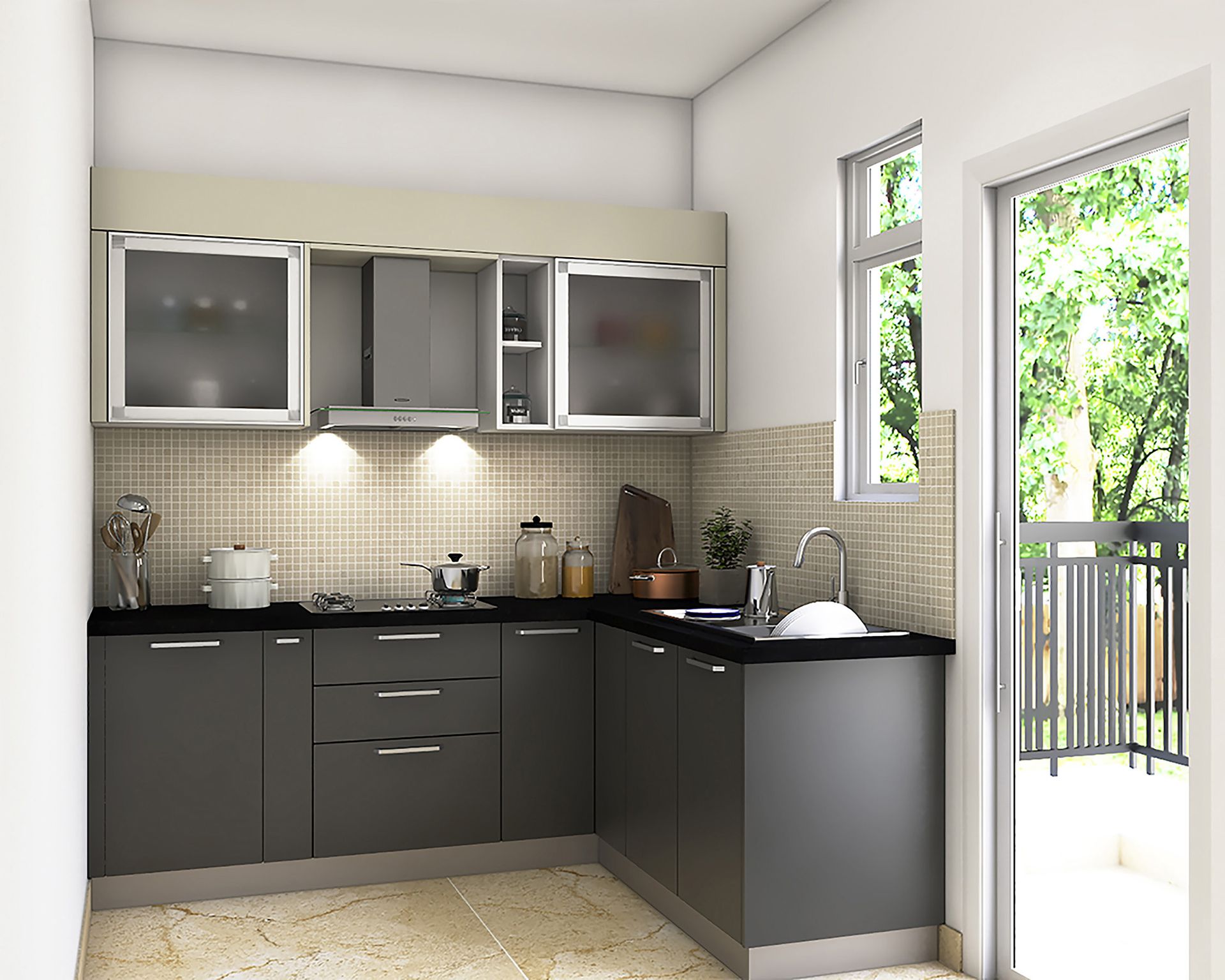
Moving out of a rented flat involves more than packing your belongings. From modular kitchens and wall-mounted shelves to lights, curtain rods and bathroom fittings, learn what to leave behind, what you can take and how to avoid disputes with your landlord.
Moving out of a rented flat can seem straightforward until you start packing and realise that some things in your home may not belong to you.
A wall-mounted television bracket, modular kitchen cabinets, bathroom shelves, curtain rods or fitted wardrobes can create confusion about what should stay and what can be removed. Even items you installed yourself may need the landlord's approval before you take them down.
The problem is that removing a fixture without permission can lead to repair costs, disagreements over your security deposit or delays during the final inspection.
If you're planning to shift from a rented flat in Dehradun or relocate to another city, a little preparation can make the handover much easier.
Here's how to organise your move while protecting your belongings and your rental deposit.
1. Review Your Rental Agreement First
Before removing anything, read your rental agreement and check the conditions for vacating the property.
Look for clauses covering:
- Fixtures and fittings supplied with the flat
- Alterations made during your tenancy
- Damage to walls, floors and doors
- Painting and repair responsibilities
- Cleaning requirements
- Security deposit deductions
- Notice periods and handover conditions
Your agreement may specify whether the property must be returned in its original condition or whether ordinary wear and tear is acceptable.
If the agreement is unclear, ask your landlord to confirm the requirements in writing before you begin dismantling anything.
Tip: Don't assume that a fixture becomes yours simply because you paid to install it. Ownership, permission to remove it and responsibility for repairing the property are separate questions.
2. Identify What Must Stay and What You Can Take
Walk through every room and create a list of fixtures. Divide them into three groups: items supplied with the property, items you installed and items whose ownership is uncertain.
- Fixture or Item
- What to Check Before Moving
- Modular kitchen cabinets
- Usually part of the property if supplied with the flat
- Built-in wardrobes
- Confirm whether they belong to the landlord
- Wall-mounted TV bracket
- Check who installed it and whether removal is permitted
- Curtain rods and blinds
- Confirm whether they were supplied or added by you
- Ceiling lights and fans
- Check the inventory and original fittings
- Bathroom mirrors and shelves
- Confirm ownership and removal permissions
- Wall-mounted shelves
- Check whether removal will damage the wall
- Water purifier
- Confirm ownership and arrange disconnection if needed
- Air conditioner
- Check whether it belongs to you and whether professional removal is required
- Door locks and smart devices
- Confirm whether the original hardware must be restored
These are general examples, not universal rules. The rental agreement, inventory and any written agreement with your landlord should guide your decisions.
If you're uncertain about an item, photograph it and ask before removing it.
3. Photograph the Flat Before Packing
Before moving furniture or dismantling fittings, document the property's condition.
Take clear photographs and videos of:
- Kitchen cabinets and countertops
- Built-in wardrobes
- Bathroom fittings
- Wall-mounted shelves
- Doors, handles and locks
- Walls, ceilings and floors
- Electrical fittings
- Existing scratches, stains or damage
If you have photographs from the day you moved in, compare them with the current condition.
This record can help clarify whether damage existed before your tenancy or occurred during your stay.
Save the original files with their dates where possible. Share relevant photographs with your landlord if you agree on the property's condition or any repairs that need attention.
4. Ask Your Landlord Before Dismantling Fixtures
Some fixtures can be removed easily, while others are attached to electrical wiring, plumbing or the building structure.
For example, removing a freestanding shelf is very different from taking down a wall-mounted cabinet secured with heavy anchors.
Before removing anything attached to the property:
Identify who owns the item.
Check whether your agreement permits removal.
Ask the landlord for written approval if required.
Agree on who will handle repairs.
Confirm whether the original fixture must be restored.
If your landlord agrees that you can remove a fixture, clarify the condition in which the wall, floor or installation point should be left.
Written confirmation helps prevent disagreements after the flat is empty.
5. Check for Wall, Floor and Ceiling Damage
Fixtures can leave marks even when removed carefully.
Common examples include:
- Drill holes from wall shelves
- Paint marks behind furniture
- Adhesive residue from hooks
- Screw holes from curtain rods
- Marks around wall-mounted television brackets
- Scratches from moving wardrobes
- Ceiling marks after removing a fitting
Inspect each area after removing approved items.
Don't rush into filling holes, repainting walls or applying repair products without checking what your landlord expects. A patch that doesn't match the existing paint can sometimes look worse than a small, neatly documented mark.
Agree on the required repairs first, especially if professional work is needed.
For heavy cabinets, stone shelves or wall-mounted furniture, consider using a qualified installer or carpenter to avoid unnecessary damage.
6. Make a Plan for Electrical and Plumbing Fixtures
Some items need more than basic tools to disconnect safely.
These may include:
- Air conditioners
- Water purifiers
- Wall-mounted lighting
- Hardwired appliances
- Bathroom accessories connected to plumbing
- Built-in kitchen appliances
If an item is yours and you're permitted to remove it, arrange the appropriate professional service.
Do not attempt electrical disconnections or plumbing work beyond your skills. Improper removal can damage the property, cause leaks or create safety hazards.
Also check whether you need to restore an original fitting. For instance, if you installed a replacement light fixture, your landlord may expect the original fitting to be reinstalled if this was agreed in the rental terms.
Confirm the requirement before scheduling the work.
7. Check the Kitchen and Bathroom Carefully
Kitchens and bathrooms often contain the most built-in fittings, so give them extra attention.
Kitchen checklist
Confirm that cabinets and drawers are intact.
Check the countertop for chips or cracks.
Identify any appliances that belong to the landlord.
Remove personal organisers and removable accessories.
Check the sink, taps and drainage for leaks.
Confirm whether any installed purifier or appliance can be removed.
Bathroom checklist
Check mirrors, shelves and towel rails.
Confirm ownership of shower fittings.
Inspect taps, flush systems and visible plumbing.
Look for cracks or damage around drilled fittings.
Remove personal toiletries and storage accessories.
Check that no leaks have developed during disconnection work.
Take photographs of any existing damage before cleaning or making repairs.
If the flat has a fitted kitchen or bathroom supplied by the landlord, avoid removing attached components without written permission.
8. Arrange Repairs Before Moving Day
Don't leave every repair until the day the moving truck arrives.
Create a list of the work required and decide what needs professional attention.
Task
- Suggested Timing
- Review rental agreement
- 1–2 weeks before moving
- Confirm fixture ownership
- Before dismantling anything
- Get landlord approval
- As early as possible
- Arrange electrician or carpenter
- Several days before moving
- Complete agreed repairs
- Before the final inspection
- Clean rooms and fittings
- After packing and repairs
- Take final photographs
- Before handing over the keys
The exact schedule depends on the size of the flat and the amount of work involved.
If you are moving out at short notice, prioritise safety, landlord approvals and repairs that could delay the handover.
9. Understand How Repairs May Affect Your Security Deposit
Your security deposit may be affected if the landlord identifies damage or unpaid amounts under the rental agreement. The treatment of deductions depends on the agreement and applicable law.
Before moving out, ask the landlord to clarify:
- Which repairs are your responsibility
- Whether ordinary wear and tear is treated differently from damage
- Whether you need to arrange repairs yourself
- Whether invoices or receipts are required
- When the deposit will be returned
- How any proposed deductions will be explained
Keep copies of agreed repair costs and payments.
If the landlord identifies damage you disagree with, compare the claim with your move-in photographs, inventory and written communications.
Request an itemised explanation of any proposed deduction rather than relying on a vague verbal statement.
10. Coordinate the Fixture Work With Your Moving Company
When booking packers and movers, explain that the flat contains built-in or wall-mounted items.
This helps the team distinguish between belongings that should be packed and fixtures that must remain in place.
Tell the moving company about:
- Furniture that needs dismantling
- Appliances that require specialist disconnection
- Items that must remain with the flat
- Fixtures that you have permission to remove
- Heavy objects that need special handling
- Restrictions on vehicle access or building timings
Standard household shifting services may not include electrical disconnection, plumbing, carpentry or repairs. Confirm the scope and charges before booking.
For example, a moving crew may be able to dismantle a freestanding wardrobe, but that doesn't automatically mean the service includes removing a built-in cabinet fixed to the wall.
If you're planning a move within Dehradun, you can review the home shifting services and discuss your specific requirements before confirming a booking.
11. Complete a Final Walk-Through With Your Landlord
Whenever possible, arrange the final inspection after the property has been emptied and agreed repairs are complete.
Walk through each room together and check:
Built-in fixtures are present as agreed.
Approved removals have been completed.
The walls, floors and doors are in the agreed condition.
Personal belongings have been removed.
Keys, access cards and remotes are accounted for.
Utility readings or outstanding bills have been addressed.
Any agreed deductions or repairs are documented.
Take photographs of the empty flat after the inspection.
If both parties agree on the condition of the property, request written confirmation of the handover and the next steps for the security deposit.
Keep a copy of the key handover record and any relevant messages.
12. Don't Forget the Small Details
Before leaving, check the items that are easy to overlook during a busy move.
Remove personal belongings from fitted cupboards and overhead storage.
Check lofts, utility balconies and storage niches.
Remove your personal labels, hooks and organisers where permitted.
Return keys and access cards.
Take final electricity, water or gas meter readings where relevant.
Update your delivery address and arrange mail forwarding where available.
Cancel or transfer internet and other services.
Keep essential documents, valuables and medicines with you.
These small tasks can save you from having to return to the property after handing over the keys.
Common Mistakes to Avoid
Removing fixtures without permission: Even if you paid for an installation, removing it may breach your agreement or leave damage behind.
Assuming every fitting belongs to the landlord: Some fixtures may have been installed by a previous tenant or by you. Check the inventory and available records.
Repairing everything without consultation: Unapproved repairs may not meet the landlord's expectations. Agree on the work first.
Leaving inspection until the last minute: A delayed repair can complicate the handover or require another visit.
Failing to document the property's condition: Without photographs and written records, it can be harder to resolve disagreements about existing damage.
Booking movers without explaining the requirements: Special dismantling or disconnection work may require separate arrangements.
Frequently Asked Questions
1. Can I remove fixtures that I installed in a rented flat?
It depends on your rental agreement, the nature of the fixture and any permissions or arrangements with your landlord. Obtain written approval where needed and clarify whether repairs or restoration are required.
2. Do built-in wardrobes and modular kitchens have to stay?
If they were supplied as part of the rented property, they would generally be expected to remain unless you have a different written agreement. Check your inventory and rental terms before making changes.
3. Can my landlord deduct money from my security deposit for wall holes?
A deduction may depend on the rental agreement, the nature of the damage, applicable law and the circumstances. Ask for an explanation and keep photographs of the property's condition at move-in and move-out.
4. Should I repair walls before the final inspection?
First ask your landlord which repairs are required and whether they expect you to arrange the work. This helps avoid unnecessary repairs or disagreements over the finish.
5. Can packers and movers remove wall-mounted furniture?
Some companies may offer dismantling, but the service depends on the item, installation and package. Confirm whether the crew can safely remove it and whether electrical work, plumbing or wall repairs require separate professionals.
6. How early should I start preparing a rented flat for handover?
Start reviewing the agreement and identifying fixtures one to two weeks before moving if possible. Begin earlier if you need landlord approval, professional disconnection or significant repairs.
7. What if my landlord and I disagree about a fixture?
Refer to the rental agreement, inventory, photographs and written communications. Try to resolve the issue in writing before removing the item or handing over the property. Seek appropriate legal advice if the dispute cannot be resolved.
Moving Out of Your Rented Flat in Dehradun?
A well-planned move includes more than packing boxes. Checking built-in fixtures, documenting the property's condition and agreeing on repairs can help make your final handover smoother.
Agarwal Packers & Movers can help you plan your household relocation according to your packing, loading and transportation requirements.
📞 Call: +91 93681 08590 🌐 Visit: https://agarwalpackersnmovers.in
Book your FREE Home Survey & Quote and discuss your shifting requirements before moving day.
Related articles




Planning a move? These pages may help
Need packers and movers in Dehradun?
Free home survey and a written, binding quote — usually the same day.