How to Move a Heavy Safe or Locker Safely
Written by the Agarwal Packers and Movers team at our Dehradun office. About us
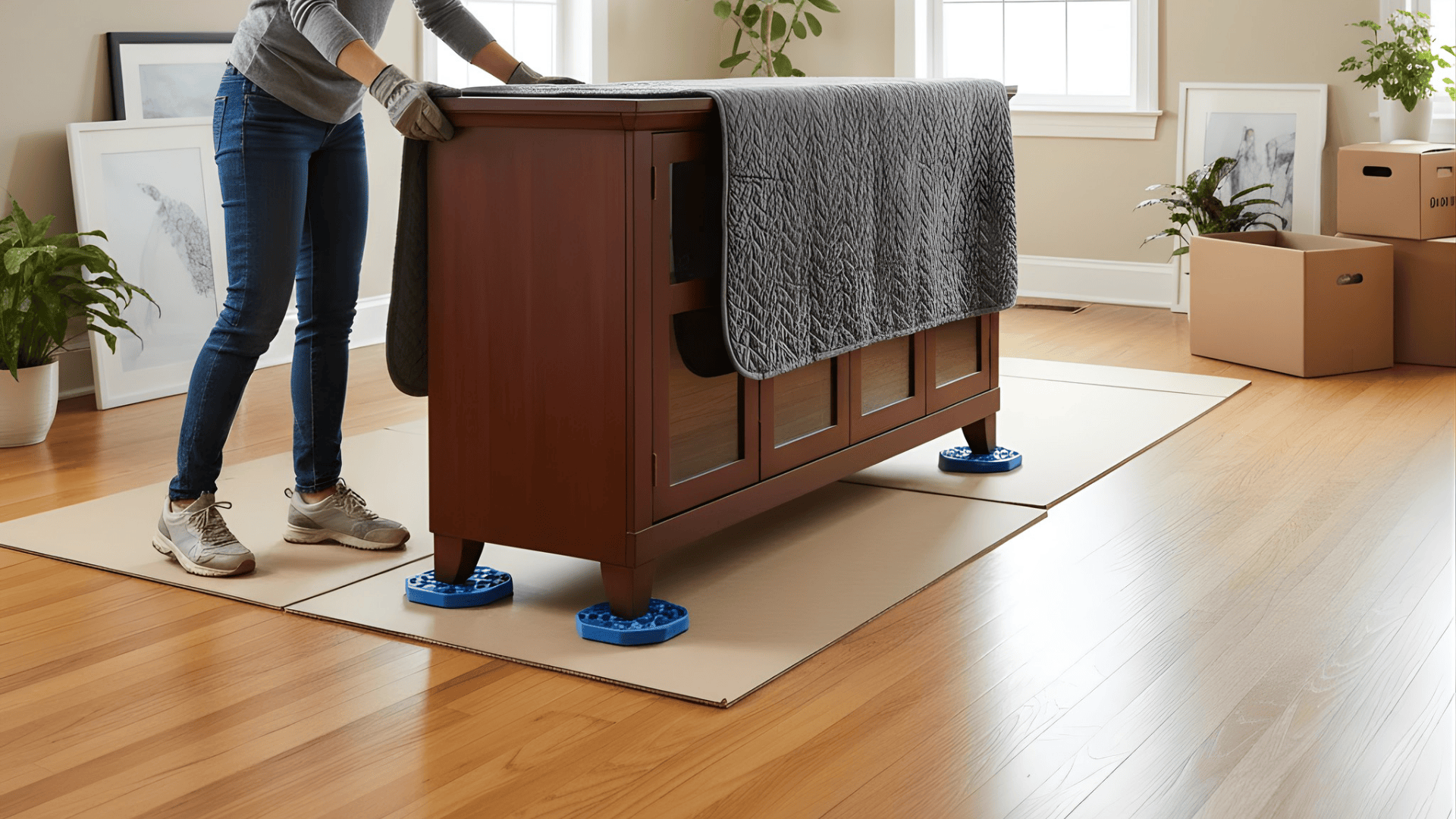
Moving a heavy safe or locker is very different from moving ordinary furniture. Learn how to prepare, lift, transport and place a heavy safe safely without damaging the property, the safe or the people handling it.
A household safe or locker may not look particularly large, but its weight can make it one of the most difficult items to move during a house shift.
Safes are often made from thick steel and may contain additional locking mechanisms or fire-resistant materials. Moving one through a doorway, staircase or narrow corridor requires considerably more planning than moving a normal cupboard.
Trying to move a heavy safe with a few people and improvised equipment can result in serious injury or damage to floors, walls, stairs or the safe itself.
The safest approach is to plan the route first and use appropriate handling equipment and trained personnel.
Here's how to prepare for a safe or locker relocation.
- Empty the Safe Before Moving It
The first step is simple:
Remove everything from inside.
Take out:
Cash Jewellery Documents Electronics Files Personal valuables Removable shelves Loose compartments
Transport valuables separately and keep them under your direct control.
Removing the contents also reduces the weight and prevents items inside from shifting during handling.
2. Know the Safe's Approximate Weight
Don't guess the weight of a heavy safe.
Check:
- Manufacturer documentation
- Model information
- Purchase records
- Product specifications
If the exact weight isn't available, tell your mover that the safe is heavy and provide its approximate dimensions.
The weight affects:
- Number of people required
- Equipment selection
- Vehicle planning
- Staircase handling
- Floor protection
- Loading method
A small domestic locker and a large commercial-grade safe may require completely different handling arrangements.
3. Measure the Entire Route
The safe needs to fit through every part of the route, not just the main door.
Measure:
- Safe width
- Safe height
- Safe depth
- Main door
- Internal doors
Corridors Staircase width Staircase landings Gate opening Lift dimensions, if applicable
Also check for:
Sharp turns Low ceilings Railings Steps Uneven flooring Narrow passages
A route that looks wide enough in a photograph may become difficult when the safe has to be turned around a corner.
4. Check Whether the Safe Can Be Moved Through the Stairs
Stairs are one of the biggest challenges when relocating a heavy safe.
Before moving it upstairs or downstairs, consider:
- Staircase width
- Number of steps
- Landing size
- Turning angles
- Railing position
- Floor condition
- Safe dimensions
- Safe weight
Never assume that because several people can lift the safe, they can safely carry it down a staircase.
A heavy safe can become difficult to control if it shifts unexpectedly.
For complicated staircase access, professional movers may use suitable heavy-load handling equipment and a planned movement method.
5. Check the Floor and Access Conditions
A heavy safe can place a concentrated load on a small area of flooring.
Before moving it, consider the condition and type of floor.
Pay particular attention to:
Marble Tiles Wooden flooring Polished stone Older flooring Raised flooring
Protective boards or suitable floor protection may be necessary during movement.
This is especially important when the safe has to be rolled, positioned or turned rather than simply carried.
6. Don't Try to Drag It Across the Floor
One of the biggest mistakes is treating a heavy safe like an ordinary cupboard.
Dragging it directly across the floor can:
- Scratch flooring
- Damage tiles
- Damage the safe's base
- Create instability
- Put excessive strain on the people handling it
If the safe needs to be moved horizontally, use appropriate heavy-load moving equipment and protection rather than improvised methods.
7. Use the Right Handling Equipment
Professional heavy-item movers may use equipment appropriate to the weight and access conditions.
Depending on the situation, this can include:
- Heavy-duty appliance or furniture dollies
- Moving skates
- Lifting straps
- Protective blankets
- Floor protection
Ramps Specialized lifting equipment
The equipment required depends on the safe's weight, dimensions and route.
The important point is that the method should be selected before the safe starts moving.
8. Protect the Safe Itself
A safe is built to protect its contents, but its exterior can still be scratched or dented during relocation.
Protect:
Corners Door surface Lock mechanism Handles Painted or finished surfaces
Use suitable padding and secure the safe so that it does not shift unnecessarily during handling.
If the safe has a digital lock or electronic components, take appropriate precautions according to the manufacturer's instructions.
9. Secure the Safe Door
Before moving the safe, make sure the door cannot swing open unexpectedly.
An opening door can change the balance of the safe and create a handling hazard.
The exact method of securing it depends on the safe design.
Avoid making modifications to the locking mechanism simply to facilitate moving.
10. Be Careful With Digital Safes
If your locker has an electronic keypad, battery compartment or other electronic components, check the manufacturer's instructions before transportation.
Keep any removable batteries or accessories secure if the manufacturer's instructions call for their removal.
Don't attempt to dismantle the locking mechanism unless the manufacturer or a qualified specialist specifically recommends it.
For high-security safes, specialist handling may be more appropriate than ordinary household moving.
11. Plan the Vehicle Loading
Once the safe reaches the vehicle, it needs to be positioned and secured properly.
A heavy safe should not simply be placed somewhere inside the truck and left unsecured.
The mover should consider:
- Vehicle floor
- Weight distribution
- Safe orientation
- Nearby furniture
- Protective padding
Restraint/securement
The goal is to prevent the safe from shifting during transportation.
12. Plan the New Location Before Delivery
Don't wait until the safe arrives at the new property to decide where it belongs.
Choose its final location beforehand.
Check:
- Door access
- Floor condition
- Wall clearance
- Electrical requirements for electronic models
Accessibility Security requirements Whether the location can support the safe appropriately
If the safe is being placed upstairs, check the route and structural considerations in advance.
- Don't Put Valuables Back Immediately
After the safe has been moved, check:
- Exterior condition
- Door alignment
- Lock operation
- Digital keypad, if applicable
Shelves Hinges
Make sure the safe operates normally before putting important belongings back inside.
If anything appears damaged or the locking mechanism does not operate normally, contact the appropriate service provider before using it.
14. When Should You Hire Professional Movers?
A heavy safe is a good example of an item where professional handling can be worthwhile.
Professional assistance becomes particularly important when the safe:
- Is extremely heavy
- Needs to go up or down stairs
- Has to pass through narrow corridors
- Is being moved between floors
- Has a difficult outdoor route
- Is located on delicate flooring
- Needs specialized equipment
- Is a high-security or commercial safe
Don't choose a moving method based only on the number of people available.
Weight + route + equipment + control all matter.
15. Tell Your Movers About the Safe in Advance
Don't mention the safe for the first time when the moving crew arrives.
During the quotation or pre-move survey, provide:
- Approximate dimensions
- Approximate weight
- Current floor
- Destination floor
- Staircase/lift information
- Door dimensions
- Final placement
- Any unusual access conditions
Photographs or a video walkthrough can also help the mover understand the route.
This allows the company to determine whether additional manpower or specialized equipment is required.
16. Ask About Additional Handling Charges
A heavy safe may require services that aren't included in a standard household-moving quotation.
Ask whether there are additional charges for:
- Heavy-item handling
- Additional labour
- Specialized equipment
- Staircase movement
- Long carrying distance
- Special protective materials
- Difficult access
Get the details in writing before booking.
That makes the quotation much clearer and reduces the possibility of unexpected costs on moving day.
- Heavy Safe Moving Checklist
- Before the move
- Empty the safe
- Remove valuables
- Record the safe's dimensions
- Confirm approximate weight
- Measure doors and corridors
- Check staircase access
- Check lift dimensions
- Check flooring
- Tell the mover about the safe
- During handling
- Use appropriate equipment
- Protect floors
- Protect the safe
- Secure the door
- Avoid improvised lifting
- Keep unnecessary people away from the route
- At the destination
- Check the safe's exterior
- Test the locking mechanism
- Confirm final placement
- Check for visible damage
- Only then return important contents
- What Not to Do When Moving a Heavy Safe
Avoid these common mistakes:
❌ Don't empty the safe only partially
Remove the contents completely whenever practical.
❌ Don't guess its weight
The weight determines the handling requirements.
❌ Don't drag it directly across delicate flooring
Use suitable equipment and floor protection.
❌ Don't improvise with ropes or household tools
Improvised equipment may not be designed for the load.
❌ Don't carry it down stairs without a proper plan
Staircase movement is particularly hazardous with very heavy objects.
❌ Don't surprise your movers
Tell them about the safe before the quotation and moving plan are finalized.
Moving a Safe Is Different From Moving a Cupboard
The biggest difference is weight concentration.
A large wardrobe may be bulky, but a safe can be relatively compact while weighing several hundred kilograms or more, depending on its construction.
That changes everything:
Route → Equipment → Labour → Floor protection → Vehicle loading → Placement
That's why heavy safes should be treated as specialist heavy items rather than ordinary household furniture.
For a house shift in Dehradun, you can explore our home shifting services and discuss heavy-item handling requirements during your pre-move survey.
FAQs
- Can packers and movers move a heavy safe?
Some professional moving companies can handle heavy safes, depending on their equipment, crew and the safe's weight and route. Always disclose the safe's approximate weight and dimensions before booking.
2. Should I empty the safe before moving it?
Yes. Remove valuables and loose contents before transportation. This reduces weight and prevents items from moving around inside.
3. Can a heavy safe be moved upstairs?
It may be possible, but the staircase, weight, dimensions and equipment must be assessed beforehand. Very heavy safes may require specialized handling.
4. Can I move a safe using a normal furniture trolley?
That depends on the safe's weight and the equipment's rated capacity. Do not use equipment unless it is designed and rated for the load.
5. How do I protect my floor while moving a safe?
Suitable floor protection and professional heavy-load moving equipment can help reduce the risk of scratches or other damage. The appropriate method depends on the flooring and route.
6. Should I tell movers about the safe before getting a quotation?
Absolutely. A heavy safe can change the manpower, equipment and handling requirements, so it should be included during the initial survey or quotation.
7. Can I move the safe myself if I have several people helping?
A heavy safe can be extremely difficult to control, particularly on stairs or around tight corners. The safer approach is to use appropriately rated equipment and trained personnel rather than relying on manual lifting alone.
Moving a Heavy Safe in Your Next House Shift?
Heavy items need planning before moving day—not improvisation after the truck arrives.
📞 Call: +91 93681 08590 🌐 Visit: https://agarwalpackersnmovers.in
Book your FREE Home Survey & Quote with Agarwal Packers & Movers.
Related articles


Planning a move? These pages may help
Need packers and movers in Dehradun?
Free home survey and a written, binding quote — usually the same day.