Moving During the Monsoon: Essential House Shifting Tips
Written by the Agarwal Packers and Movers team at our Dehradun office. About us
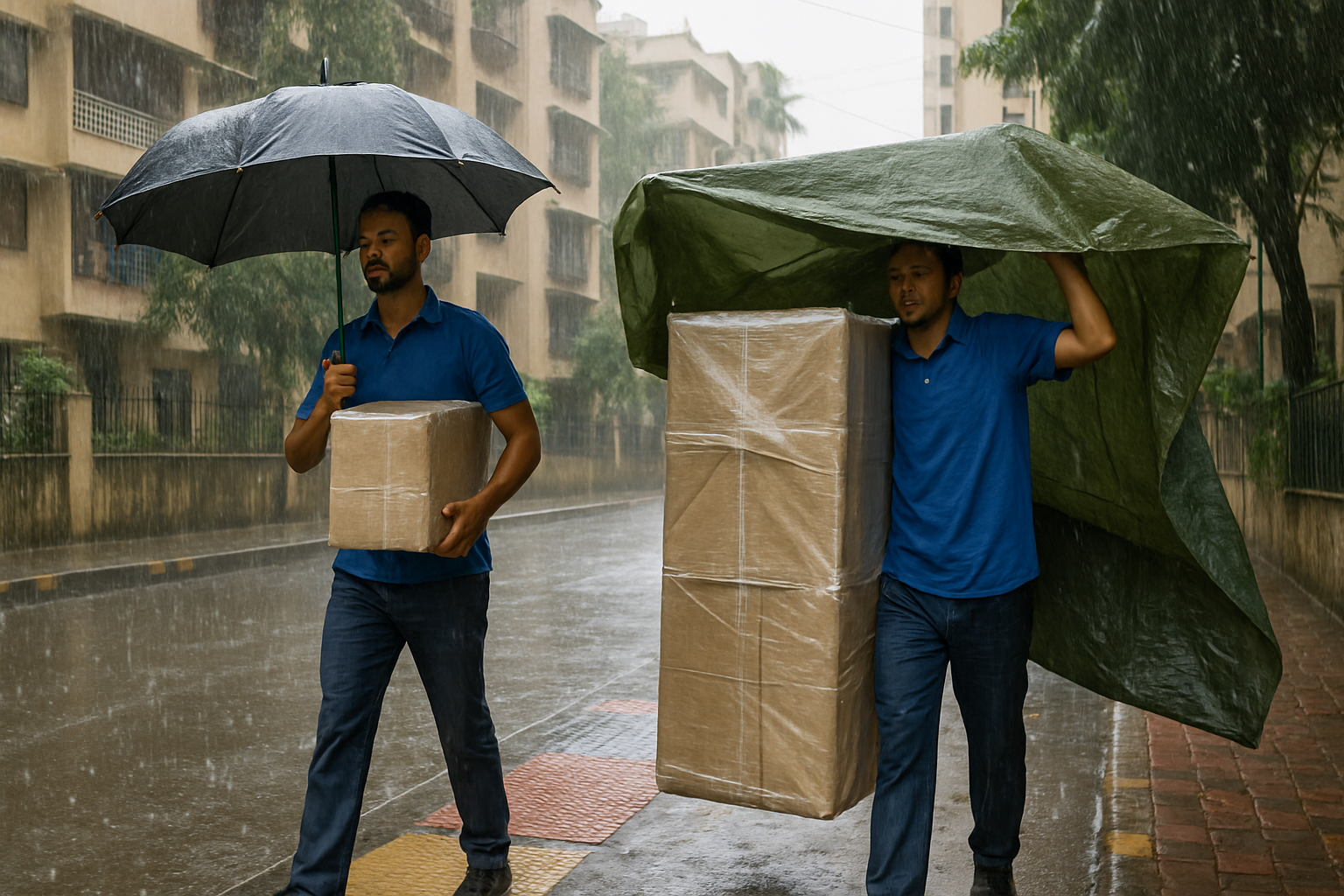
You can move safely in the rains if water is planned for at every stage: packing, the walk to the truck, the road, and the first hour after unloading. Here is what to ask your mover, what to do yourself, and a checklist for the day it pours.
Monsoon moves have one big advantage: the calendar is quieter, so dates and crews are easier to book. The disadvantage is obvious. Cardboard, wood, mattresses and electronics don't mix with water, and in Dehradun and the hills heavy rain can also mean waterlogged roads, slow traffic and landslides on hill routes. A monsoon move works when water is planned for at every stage.
Before moving day
Watch the forecast and keep a day spare
Check the forecast for the week, not just the day. If a very heavy spell is forecast, talk to your mover about shifting by a day. For moves up to Mussoorie or onward into the hills, build in that flexibility from the start, because roads can close for a while after a landslide. Mornings are often drier than afternoons, so ask for an early start.
Ask the mover how they waterproof
Before you book, ask specifically:
- Will cartons be wrapped in plastic or stretch film, not just taped?
- Will mattresses, sofas and wooden furniture be fully sheeted?
- Is the vehicle covered, and is the floor dry and lined before loading?
- What happens if it rains hard during loading: do you pause, or carry on under cover?
Pack for moisture, not just for impact
- Use fresh, dry corrugated cartons. A box that has been damp once loses much of its strength.
- Line cartons holding books, documents, linen and clothes with a plastic bag before filling them.
- Put electronics in their original boxes if you have them, then add a waterproof outer layer.
- Never pack anything that is still damp, such as washing or a just-wiped fridge. It will smell, or grow mould, by the time it arrives.
- Mark moisture-sensitive cartons ("books", "documents", "electronics") so they are loaded away from the doors.
Prepare the floors at both ends
Wet footwear on marble or tiles is the most common cause of slips on monsoon move days. Lay old sheets, mats or flattened cartons as runners from the door to the rooms, and keep a mop and towels at each entrance.
On moving day
- Wear shoes with grip, everyone, including family. No slippers.
- Load from shelter. If there's a porch, stilt parking or a covered entrance, stage cartons there rather than in the open.
- Don't leave anything outside waiting to be loaded, even under a sheet.
- Wipe furniture down before it goes into the vehicle and before it comes into the new house.
- Keep the essentials bag waterproof: documents, phone and charger, medicines, cash, an umbrella, a towel and a change of clothes.
- Allow extra road time. Rain slows traffic on the city's main roads and the highways out of Dehradun. Don't book a key appointment for the same afternoon.
After unloading
- Open any carton that looks damp straight away and let the contents air. Don't leave it sealed for a week.
- Dry wooden furniture with a cloth and keep it out of direct contact with wet walls.
- Let electronics sit for some hours in a dry room before switching on if there is any chance they got wet, and do not power on anything that is visibly damp.
- Keep the inventory to hand and note any water damage on the delivery receipt before the crew leaves.
- Run fans and keep windows open when the rain stops, to deal with the musty smell boxes pick up.
Rain-day checklist
- Forecast checked; mover told about any change
- Spare day agreed for hill routes
- Cartons plastic-wrapped; mattresses and wood furniture sheeted
- Documents and electronics double-bagged
- Floor runners, mop and towels at both homes
- Grip shoes for everyone
- Covered loading point identified
- Waterproof essentials bag with umbrella and towel
- Extra travel time allowed
- Damp cartons opened on arrival
Common monsoon moving mistakes
- Reusing grocery cartons that have already been wet
- Packing laundry or a freshly cleaned fridge before it's dry
- Leaving mattresses and sofas unwrapped "because it's only a short distance"
- Switching on damp electronics immediately
- Pushing ahead with a hill move on a red-alert day
The monsoon is only one season to think about when picking a date. Our season-by-season guide compares the rest of the year.
Frequently asked questions
Is it safe to move house in the monsoon?
Yes, with waterproof packing, a covered vehicle and a little flexibility on the date. Most damage in monsoon moves comes from cartons left in the open or packed while damp, not from the journey itself.
What if it rains heavily on the day?
Short heavy bursts are usually handled by pausing loading and working from a covered area. For prolonged extreme rain, or a hill route on an alert day, it's safer to move the date.
Does transit insurance cover rain damage?
It depends on the policy. Some cover water damage in transit and some exclude it, especially if packing was inadequate. Ask for the terms in writing before the move.
Should I move my bike or car in the monsoon?
Yes, but keep RC and insurance copies in a waterproof sleeve, and expect delivery windows to have some slack on longer routes.
Planning a rainy-season move? Our packers and movers in Dehradun team can survey your home and plan the packing for the weather.
Related articles



Planning a move? These pages may help
Need packers and movers in Dehradun?
Free home survey and a written, binding quote — usually the same day.